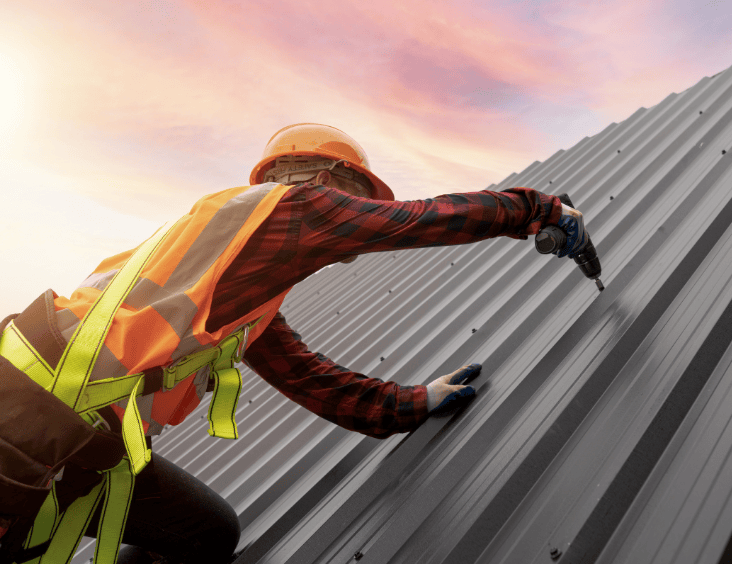
Workplace safety remains a critical concern for businesses in high-risk industries like construction and roofing. Each year, fatal injury statistics reveal where safety measures are working – and where they fall short. While our industry is making massive steps in the right direction, there is work to be done, with the HSE’s recently published latest figures for workplace deaths in 2024-2025 a sobering reminder of the dangers workers face, especially from falls at height.
For companies in the roofing and construction sectors, these findings are more than just numbers – they’re a call to action.
2024-2025 Fatal Injury Data at a Glance
The 2024-2025 work-related fatal injury statistics underscore the ongoing risks employees face daily. While the overall fatality rate varies across sectors, one alarming trend persists – falls from height remains among the leading causes of occupational deaths, and has been in almost every year since 2001/02.
Key Findings on Falls from Height
Percentage of Total Fatalities: Falls from height account for over 28% of total workplace fatalities across industries – almost one in every three.
These figures reveal one undeniable truth – preventable deaths are still happening. However, they also illuminate an opportunity to strengthen workplace safety practices.
The Roofing Industry’s Role in Height-Related Risks
For roofing professionals, working at height is part of the job. This reality also means heightened exposure to hazards. From installation and maintenance to inspection and repair tasks, rooftops can be unforgiving environments when safety protocols are overlooked.
High-Risk Situations in Roofing
- Fragile Roofs and Old Rooflights: One of the most dangerous conditions involves working on or near fragile roofing materials. These surfaces can shatter under weight, leading to catastrophic falls.
- Weather Impact: Poor weather conditions such as rain or strong winds drastically increase slip hazards.
- Improvisation: Workers who lack appropriate access equipment, such as secure scaffolding or safety lines, may resort to unsafe improvisations.
- Edge Protection: Absence or failure of edge protection systems is a common factor in many roof-related incidents.
- Competence and Training: Untrained and inexperienced roof workers will be less aware of potential risks.
The implications for employers are clear, if your workforce operates at height, robust safety measures are not optional.
Steps to Reduce Falls from Height in Roofing and Construction
While the statistics paint a concerning picture, they also spotlight areas where change can save lives. Here are actionable measures companies can implement to reduce workplace fatalities:
Invest in High-Quality Safety Equipment
Providing workers with industry-approved safety gear like harnesses, fall arrest systems and properly rated ladders is a basic yet vital step in mitigating risk. Ensure all equipment undergoes regular inspections and meets the standards set by regulatory bodies.
Prioritise Training and Competency
No safety protocol is effective without proper training. Organisations should offer comprehensive instruction on fall prevention techniques, safe use of equipment and hazard identification. Refresher courses must also be scheduled routinely to keep skills sharp.
Conduct Roof Risk Assessments
Before any work begins, risk assessments should be mandatory. Identifying fragile surfaces, unguarded edges and other potential dangers allows for the development of safer work plans tailored to the specific site. NFRC’s Health & Safety Guidance Note, HSG01 gives an excellent overview of safety in roofwork.
How Filon Supports Safer Work at Height
At Filon, we understand the roofing industry’s unique challenges—and we’re committed to actively improving workplace safety with innovative solutions designed around the highest standards.
Non-fragility: A Foundation for Safer Roofs
One of the most significant and often overlooked factors in fall prevention is the non-fragility of roofing materials. Fragile roofs, rooflights, and roof sheets present a serious risk, as they can give way under a worker’s weight and lead to life-threatening falls. Filon’s roofing sheets and rooflights are engineered and independently tested to meet and exceed non-fragility standards, significantly reducing the danger posed by weak or brittle surfaces. By specifying non-fragile solutions, employers can ensure a safer environment for anyone working at height.
Innovating Safe Access: The Filon Fixsafe System
We also recognise that many rooftop incidents happen during maintenance or repairs, especially when accessing or replacing rooflights and roof sheets. That’s why we developed the Filon Fixsafe system. Fixsafe allows damaged or aging rooflights and roof sheets to be safely removed and replaced from within the building, eliminating the need for operatives to work on fragile roofs externally. This ground-breaking approach addresses some of the key risks highlighted in recent fatal injury statistics and enables duty holders to ensure compliance while protecting their teams. Removing the need to work on fragile roof surfaces, use external edge protection, roof staging and internal safety nets, significantly improves safety whilst removing the need for some costly safety equipment.
Engineered for Strength and Support
In addition to Fixsafe and non-fragile materials, Filon’s range of GRP (glass-reinforced polyester) products deliver superior strength without sacrificing lightweight installation. This further enhances worker stability, reduces the risk of slips, and supports industry best practices for safe work at height.
By integrating non-fragile roofing systems and innovative solutions like Fixsafe, Filon equips employers and contractors to proactively address the main causes of falls from height which makes every project safer from the outset.
The 2024-2025 fatal injury statistics signal both a challenge and an opportunity for B2B leaders. Employers in roofing and construction must keep safety top of mind – not only to comply with regulations but to ensure every worker goes home safely at the end of the day.
Filon is here to help. By investing in the right materials, ensuring rigorous safety protocols, and committing to worker training, you can set new safety benchmarks in your organisation. Together, we can reduce height-related incidents and work toward a safer industry for all.