

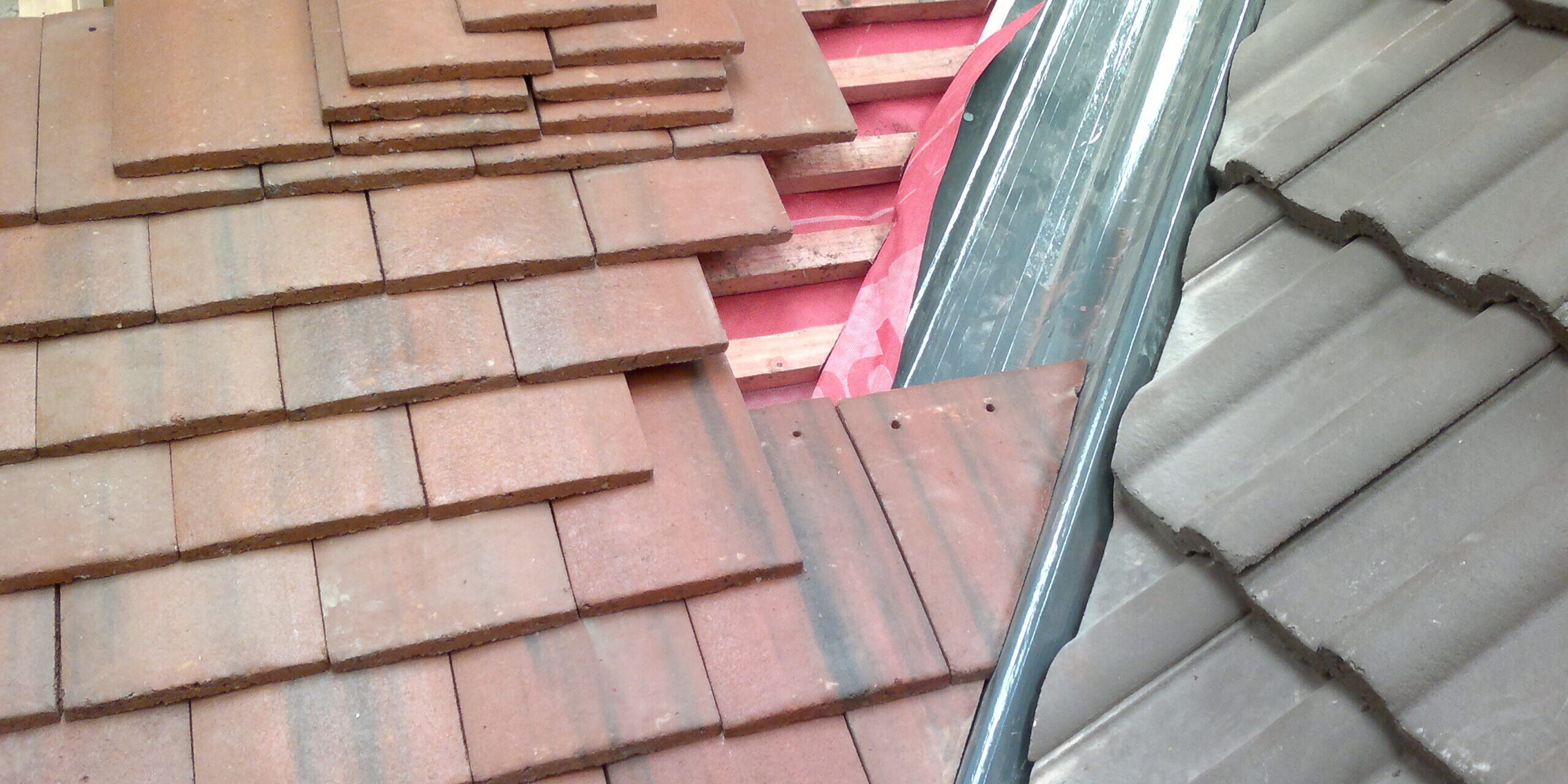
In roofing, valleys are one of the most critical areas to invest in for areas that demand rerouting of water and high protection. A valley trough is an essential component that ensures water is efficiently channelled away, preventing roof leaks and structural damage.
Whether you’re a roofing contractor, architect, or homeowner, understanding GRP valley troughs, roofing valleys and valley trough installation is crucial for proper drainage, a long-lasting roof and building regulation compliance.
In this article, we’ll explore:
- What a valley trough is
- When to use valley troughs
- Different types available
- Why GRP valley troughs are a superior choice
- Best practices for installation
- Filon’s high-quality solutions
You’ll gain a clear understanding of roof valley details, right from BBA-certified professionals. Our factories and processes are audited twice a year to make sure that we tick all the boxes to manufacture the very best valley troughs.
What is a Valley Trough?
A valley trough is a pre-formed channel installed in the internal angles (valleys) where two roof slopes meet. Its primary function is to direct rainwater or melting snow toward the gutters, preventing water ingress and protecting the roof structure. Valley troughs are commonly made from:
GRP (Glass Reinforced Polyester) – Lightweight, durable and corrosion-resistant.
Aluminium – Lightweight and demonstrates resistance to corrosion.
Lead – Long shelf life with similar expansion rates to GRP.
Steel – Lowest expansion rate but prone to rusting and corrosion.
GRP valley troughs are gaining popularity due to their longevity and low maintenance requirements.
When Should You Use Valley Troughs?
Valley troughs are essential in various roofing scenarios:
New Roof Construction
When installing a new roof with intersecting slopes, a valley trough ensures proper water drainage (a requirement for UK building regulations).
Roof Replacements and Retrofits
If an existing roof valley is damaged or leaking, replacing it with a GRP valley trough provides a long-term solution.
High Rainfall or Snowfall Areas
In regions with heavy precipitation, a well-installed valley trough helps to prevent water from seeping under roofing materials.
Complex Roof Designs
Hip roofs, dormers and intersecting roof planes require valley troughs for optimal waterproofing.
Why Fibreglass Valley Troughs Are the Smart Choice
GRP (Glass Reinforced Plastic) stands out as a great option for valley troughs. GRP valley troughs offer excellent durability and resistance to the elements. Their advantages include:
- Durability and longevity – GRP (Glass Reinforced Plastic) is highly resistant to UV degradation, extreme temperatures and chemical and corrosion damage.
- Simple to install – Easily fixed using a hammer and clout nails..
- Low maintenance – No need for repainting or sealing, unlike some alternatives.
- Lightweight yet strong – Easier to handle during valley trough installation without compromising strength.
- Aesthetically pleasing – Available in various colours to match roofing materials.
- No scrap value – Unlikely to be stolen for scrap.
GRP Valley Trough Installation Best Practices
Proper roof valley detail is crucial for preventing leaks. For specific installation instructions please refer to the relevant BBA certificate in our technical documents section, but for a typical over batten valley trough, the following is a general guide.
1. Install Support for the Valley Trough
Lay timber valley boards to provide a solid foundation. These should be of sufficient width to support both the valley trough edges and the ends of tiling battens. You can use either 19mm softwood or 12mm plywood supported on timber noggins between rafters or 6mm continuous plywood boards directly over rafters.
2. Prepare the Roof Valley
Ensure the valley area is clean, dry, and free of debris. Install an appropriate layer of underlay along the valley’s length, using a single strip at least one metre wide.
3. Measure and Cut the Trough
GRP valley troughs come pre-formed to the necessary profile but will require cutting to length and trimming at the ends for a perfect fit. Press a length of the valley trough snugly into the valley and mark the position of counter battens along the edge of the trough using chalk lines to ensure accurate placement. If the fascia board cannot be trimmed to allow the trough to be fixed without deforming, it may be necessary to form an overlap at the eaves section. Alternatively, a proprietary end closure, available from all Filon valley stockists, could be used.
4. Secure the Trough in Place
Install counter battens using appropriate nails. Ensure the main roof underlay is dressed over the counter battens, place the trough into the valley, and ensure it fits before fixing to the counter battens using 25mm clout-headed nails, spaced at no more than 500mm intervals.
5. Overlap and Join Sections Properly
For valley lengths of more than 3 metres it will be necessary to overlap consecutive valley troughs. Ensure a minimum vertical overlap of 150mm between adjoining lengths. At the top of adjoining valleys, mitre the troughs and use a Code 4 lead saddle to form a watertight joint or use a proprietary double closure, available from all Filon valley stockists.
6. Install Cut Tiles or Slates
Ensure slates or tiles are cut accurately to fit neatly against the raised section of the trough and avoid forcing them against the centre upstand of the trough to remove the risk of damage.
Use the supplied self-adhesive packer sections to support small cut tiles that cannot rest on the internal support channels.
7. Finishing and Guttering
Trim any excess material at the eaves to ensure water is discharged directly into the gutter.
Filon’s Roof Gully Trough Solutions
At Filon, we specialise in high-performance GRP valley troughs designed for durability and ease of installation. Our products include:
- Pre-formed GRP troughs in convenient three metre lengths
- UV-stable formulations
- Wet lay / mortar bond valley troughs
- Dry fix valley troughs
- Wet and dry fix bonding strips
- Abutment soakers
- Over-batten and under-batten fix options
Our troughs are trusted by roofing professionals for their reliability and long-term performance.
Choosing the right valley trough is critical for a leak-free, long-lasting roof. Filon GRP valley troughs out perform other options in terms of durability, weather resistance and low maintenance.
Whether you’re working on a new build, retrofit, or repair, proper roof valley detail and installation ensure optimal performance for decades.
If you’re looking for GRP valley troughs for your next roofing project, then talk to one of our experts today to discuss your options.
Speak to us about GRP valley troughs
Roof Valley FAQs
What is the purpose of a valley trough?
A valley trough directs water away from roof valleys, preventing leaks and structural damage.
How long do GRP valley troughs last?
With proper installation, they can last upwards of 30 years or more with minimal maintenance.
Do valley troughs work on flat roofs?
They are primarily used on sloped roofs where valleys form. Flat roofs use different drainage systems.
What colour are Filon GRP valley troughs?
All Filon valley troughs are produced in blue grey GRP.